



Loading your happy place...
Loading your happy place...
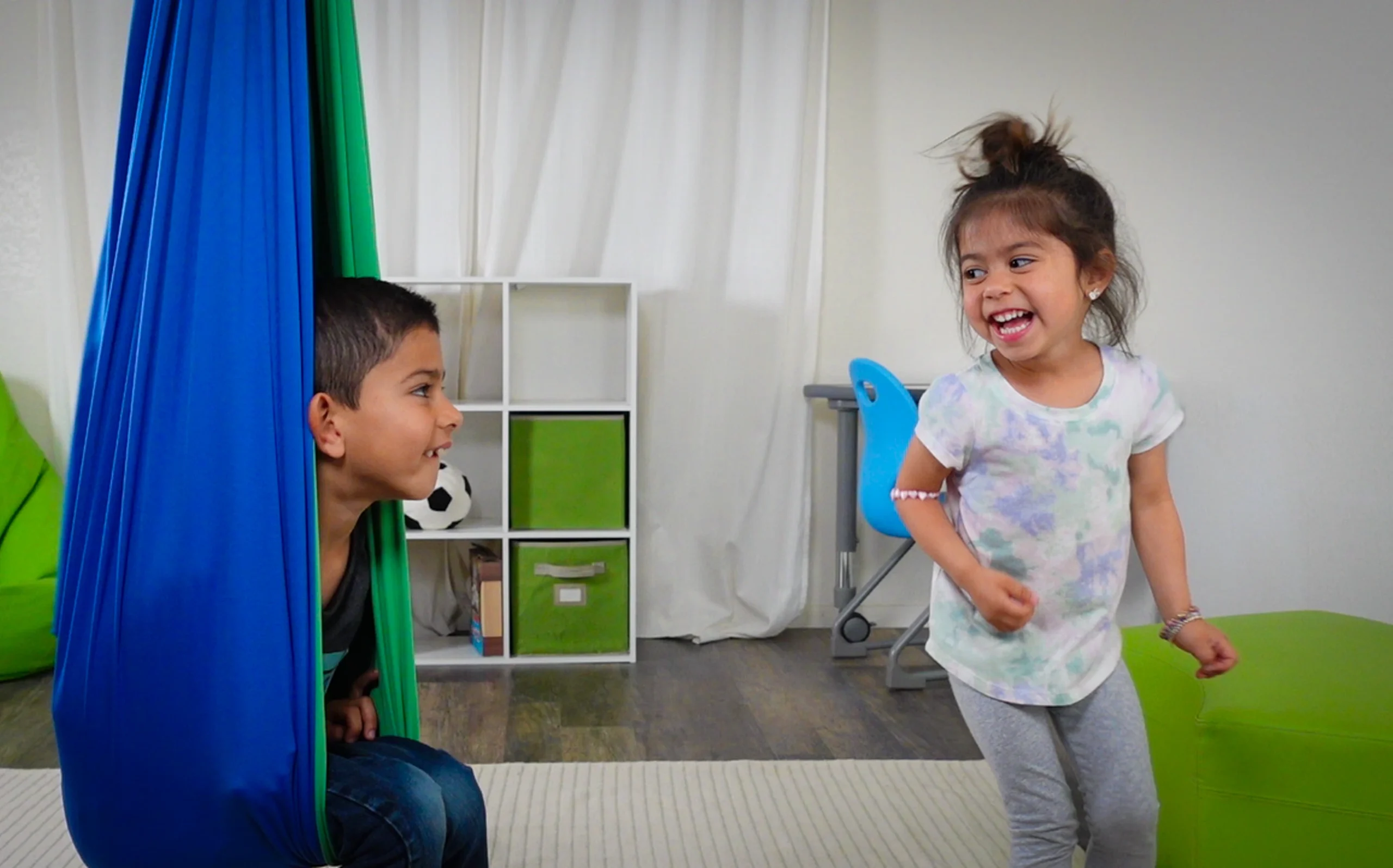
A therapy swing, also known as a sensory swing, is an important tool for supporting children with Autism and Sensory Processing Disorder (SPD). Sensory swings provide calming vestibular and proprioceptive input that helps regulate the nervous system. The gentle motion can reduce anxiety, improve focus, and support emotional well-being. This article explores the benefits of sensory swings, the science behind them, and what to consider when choosing one.
Sensory swings help children with Autism and SPD stay calm and focused when they feel overwhelmed.
High-quality swings offer strong construction, deep pressure input, and multiple uses, making them reliable tools in therapy or home settings.
A sensory swing is a specialized piece of equipment designed to provide a calming, therapeutic experience for autistic children who struggle with sensory processing, anxiety, or overstimulation. These swings offer gentle, repetitive movement that stimulates the vestibular system—responsible for balance, coordination, and spatial awareness.
By stabilizing the vestibular system, sensory swings help children process sensory information more effectively, resulting in reduced stress and improved self-regulation.
Sensory swings come in different designs, including platform swings and hammock swings. The most popular type is the compression swing, which offers deep pressure, flexible movement, and strong sensory support. Made from soft, breathable, durable fabric, these swings are used widely in homes, therapy rooms, and schools.
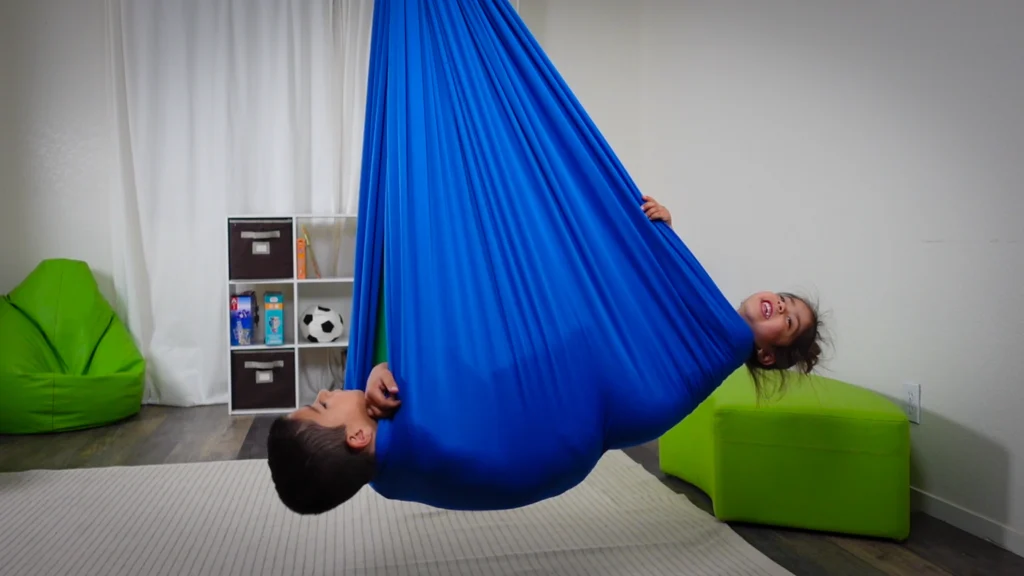
For children with SPD, everyday sensations can feel disorganized or overwhelming. Sensory swings provide structured vestibular input that calms and organizes the nervous system. A compression swing offers deep pressure and gentle motion that reduces stress and helps children regulate their emotions. Even a few minutes of swinging can have a calming effect lasting hours.
Vestibular input refers to the sensory signals from movement—such as swinging, spinning, or rocking. This input plays a major role in emotional regulation, coordination, and attention.
The vestibular system sits in the inner ear and controls balance and spatial orientation. Swinging helps stabilize this system, supporting:
The soothing motion of swinging helps reduce nervous system disruptions and promotes relaxation.
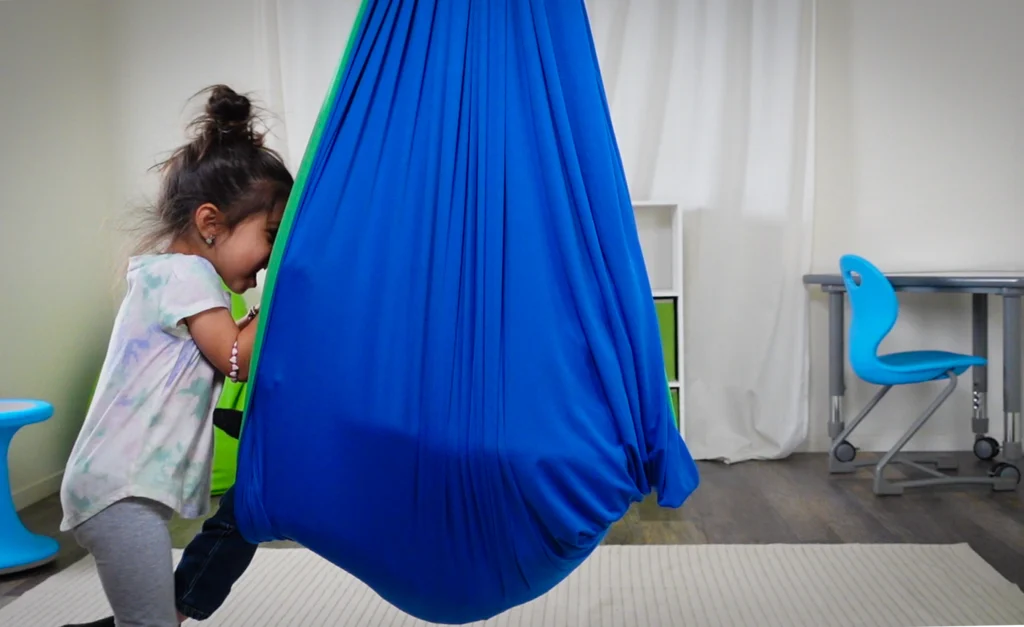
Sensory swings are essential tools in sensory integration therapy, a type of occupational therapy used for individuals with SPD and Autism. These swings provide a combination of vestibular, proprioceptive, and deep-pressure input—three important elements for regulating the nervous system.
In therapy settings, sensory swings help:
They help children enhance body awareness and process sensory information more effectively.
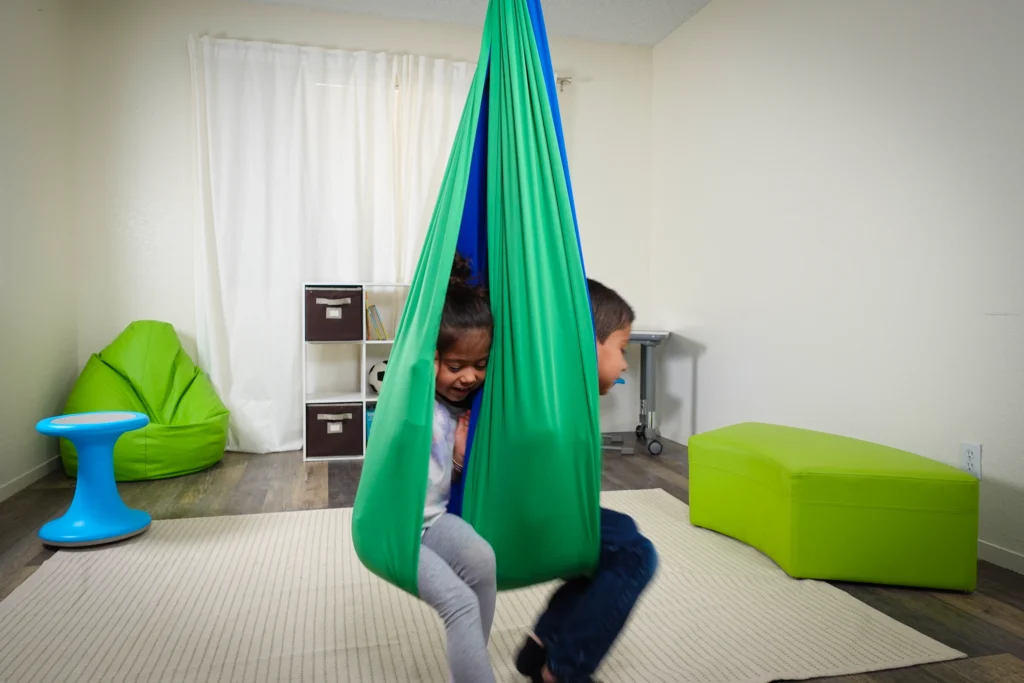
When choosing a sensory swing, it’s important to consider the materials, safety features, and versatility. High-quality sensory swings are made for durability and effective sensory input.
Premium sensory swings are made from strong, stretchable fabric with reinforced stitching. They should be:
This ensures children can swing safely and comfortably.
A good sensory swing should include installation hardware and support ceiling heights between 8–12 feet. Versatility allows the swing to be used indoors, outdoors, in bedrooms, or in therapy spaces.
High-quality swings should include:
These features make installation simple and cost-effective.
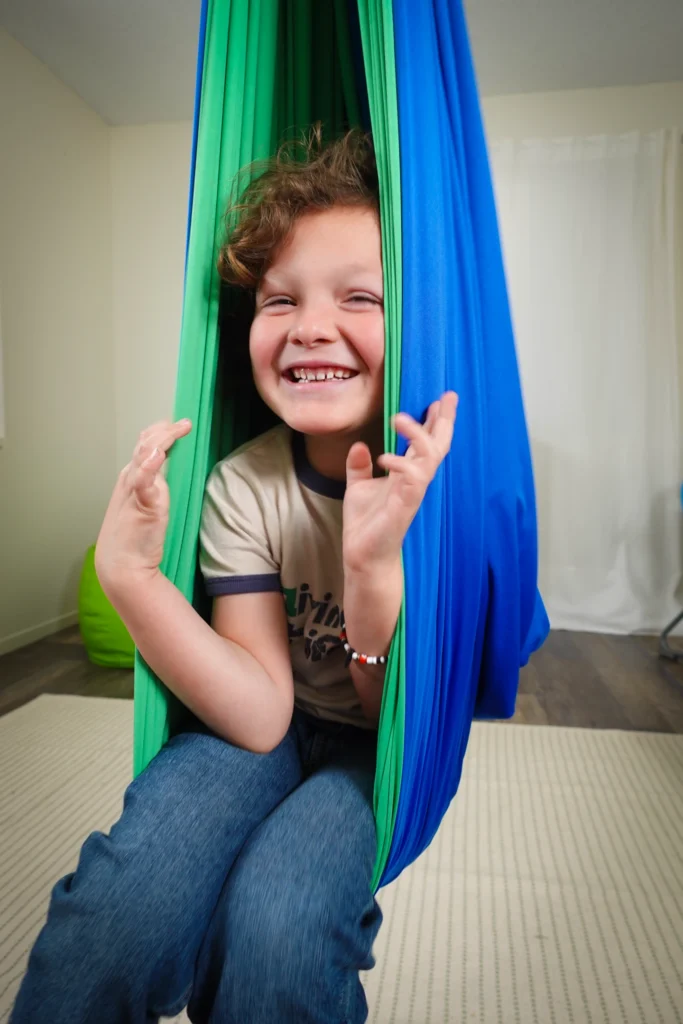
Sensory swings create a safe, enclosed environment where children can retreat when overwhelmed. The swinging motion helps organize the nervous system, reducing stress and sensory overload.
Children with Autism or SPD often struggle to concentrate due to sensory disruptions. The grounding movement of a sensory swing increases focus during activities such as reading, homework, or quiet play.
Sensory swings help children recognize their sensory needs and independently calm themselves. This builds emotional resilience and stronger self-regulation skills.
Consistent vestibular and proprioceptive input helps the brain process sensory information more efficiently. This improves body awareness, motor skills, and overall sensory balance.
How do sensory swings help with sensory processing disorders?
They provide calming vestibular and proprioceptive input that helps organize the nervous system, reduce stress, and support emotional regulation.
What is vestibular input, and why is it important?
Vestibular input comes from movement. It supports balance, coordination, spatial awareness, and sensory processing—crucial for everyday functioning.
What is proprioception and why is it important?
Proprioception is the body’s ability to sense movement, position, and force. It helps children move smoothly, balance, and complete daily tasks.
What are the key features of a high-quality sensory swing?
Durability, deep pressure input, breathable fabric, strong safety stitching, easy installation, and included hardware such as a daisy chain, carabiner, swivel, and screws.
Baranek, G. T., David, F. J., Poe, M. D., Stone, W. L., & Watson, L. R. (2006). Sensory Experiences Questionnaire: Discriminating Sensory Features in Young Children with Autism, Developmental Delays, and Typical Development. Journal of Child Psychology and Psychiatry, 47(6), 591–601.
Schaaf, R. C., Hunt, J., & Benevides, T. W. (2012). Occupational Therapy Using a Sensory Integrative Approach for Children with Developmental Disabilities. Journal of Autism and Developmental Disorders, 42(5), 915–923.
Pfeiffer, B., Koenig, K., Kinnealey, M., Sheppard, M., & Henderson, L. (2011). Effectiveness of Sensory Integration Interventions in Children with Autism Spectrum Disorders: A Pilot Study. The American Journal of Occupational Therapy, 65(1), 76–85.
Silva, L. M. T., Schalock, M., & Gabrielsen, K. (2011). Early Intervention for Autism with a Parent-Delivered Qigong Massage Program. The American Journal of Occupational Therapy, 65(5), 550–559.
Dunn, W. (1999). The Sensations of Everyday Life: Empirical, Theoretical, and Pragmatic Considerations. The American Journal of Occupational Therapy, 53(5), 408–415.